Follow Us:

Stomach gripping (or clinically known as ‘the hourglass syndrome’) is a common dysfunction which can be an underlying factor in many pain syndromes. It occurs due to too much tension in the upper abdominals and dysfunction of the diaphragm (the muscle that sits under your lungs).
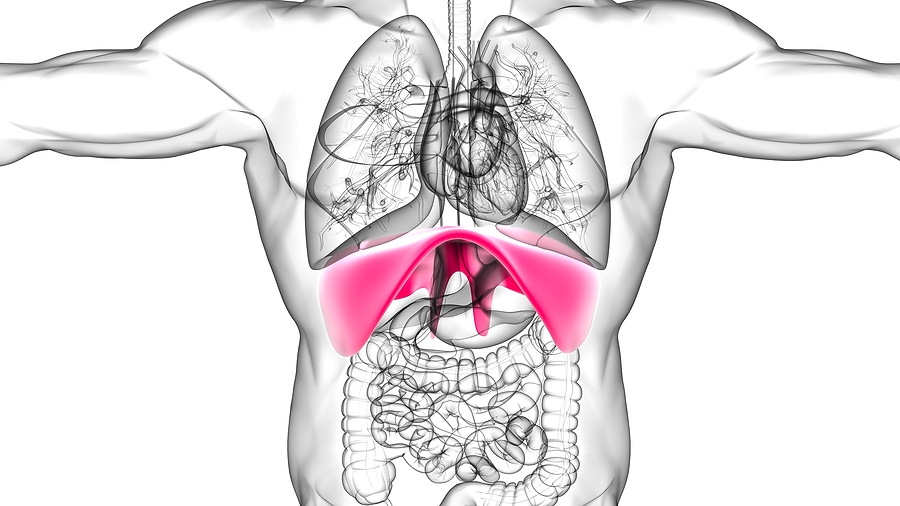
You can think about the diaphragm like an umbrella that sits under the lungs at the bottom of the ribcage. Normally the diaphragm will contract towards its outer margins, which are attached to the lower ribcage at the front + sides and to the spine at the back. This pulls the centre of the diaphragm (or the spike in the umbrella) down, inflating the lungs and stabilising the spine.

However, with the hourglass syndrome the diaphragm contracts in the opposite direction, towards the centre (the spike in the middle of the umbrella) which pulls the lower ribs in. This gives rise to the typical narrow waisted or hourglass appearance. Other clues of the hourglass syndrome include a ‘turned up’ belly button or a horizontal crease either at the level of, or just above the belly button. ‘Turning up’ of the belly button is a sign of muscle imbalance of the abdominals; with the upper section working much harder than the lower abdominals and pulling the belly button upwards.
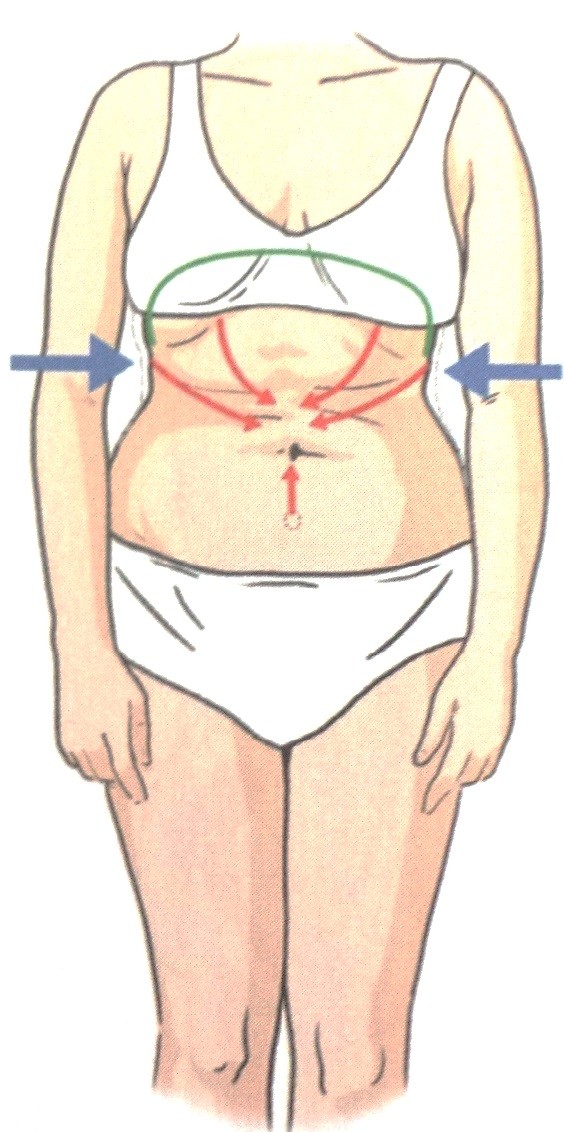
So you may be wondering what’s the problem? A tight stomach and a narrow waist – doesn’t sound so bad to me! However, this altered pattern of muscle activation can have some far reaching effects.
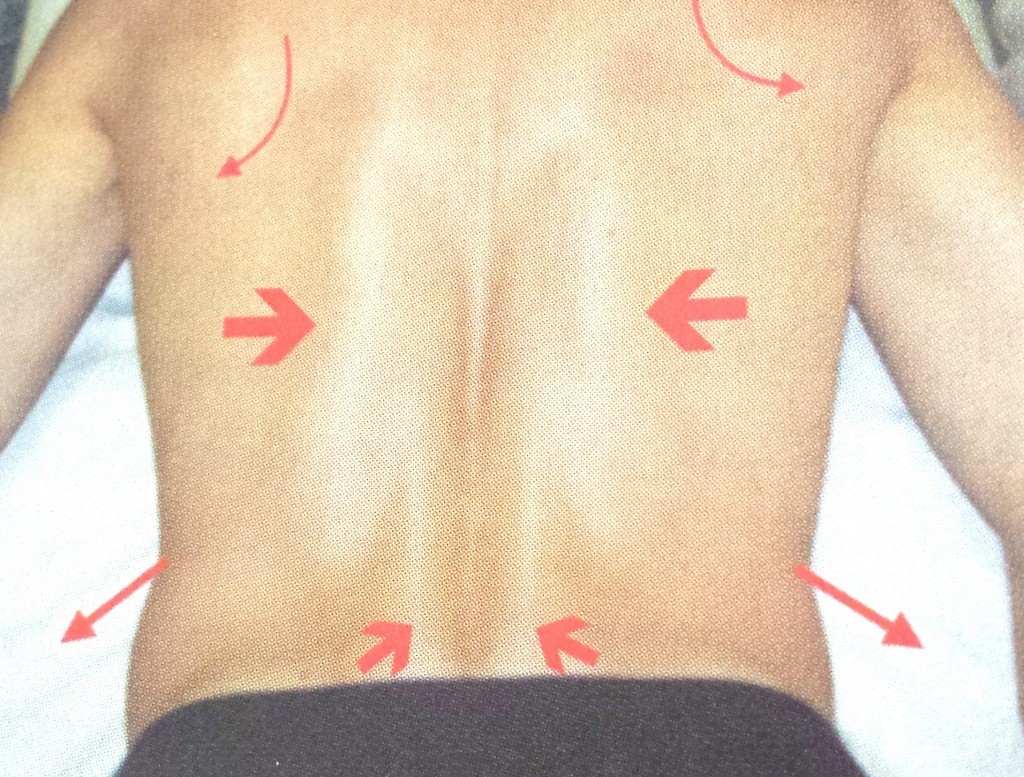
The diaphragm is a key stabiliser of the low back, so when it isn’t working correctly the low back is left vulnerable. This also means other muscles have to work harder to compensate for dysfunction of the diaphragm, specifically the extensors of the lowback. In the picture opposite you can see the extensive ‘sausaging’ of extensors (thick red arrows) as these muscles work overtime in an attempt to support this patients back as he lifts his head. Ideally we would see more balanced activity of these muscles and less ‘sausaging’. This constant overworking of these muscles can lead to continual tightness and pain.
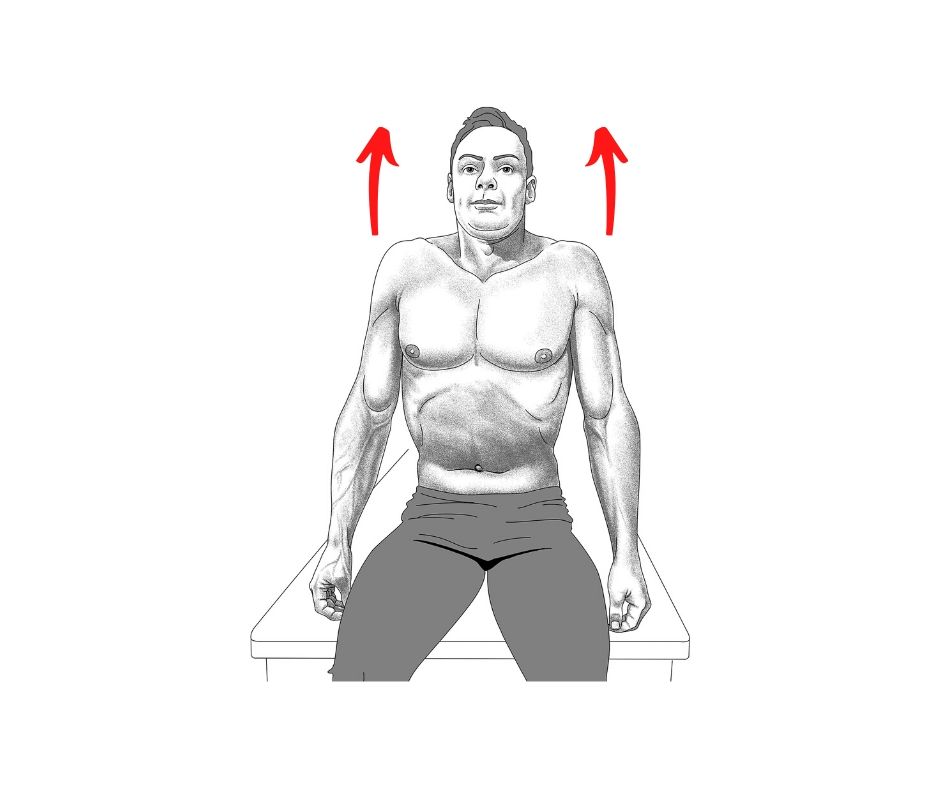
If the diaphragm doesn’t descend properly not only will stabilisation be affected but also breathing. This can place a great strain on the neck. As described above, the centre of the diaphragm should descend downwards expanding the abdomen (belly breath) and inflating the lungs. In the hourglass syndrome this normal pattern of motion doesn’t occur and, in most cases, when breathing in, the chest and shoulders elevate instead to compensate. This puts a lot of stress on the muscles of the neck and is a common factor in headaches and neck pain.
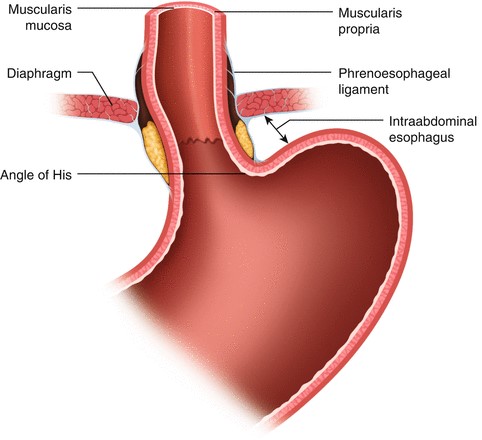
Along with its breathing and stabilising roles, the diaphragm also functions as a sphincter – helping to prevent the stomach contents traveling back up into the oesophagus. It has recently been found that people with GERD (gastro-esophageal reflux disease) have decreased diaphragmatic function and improving diaphragm function may have a role in GERD treatment [1] [2]
There are 3 main causes to why this hourglass syndrome occurs:
1. Poor habits/ aesthetics
Everybody wants a flat stomach but actively holding the stomach tends to lead to an unbalanced activation of the stomach (with the upper section working much too hard). If this is done for prolonged periods this your brain can ‘rewire’ from your normal pattern of stabilisation to this altered version. A bit like a virus corrupting a computer program.
2. Non-ideal Development
Sometimes the ‘program’ of muscle activation isn’t quite right from the start. This is thought to be the case in around 30% of babies [3]. Abdominal gripping is a common compensation strategy that babies may develop as a result and which can persist into adulthood. Click here to read more on this topic.
3. Protective patterns
Stomach gripping can develop as part of muscle guarding with a painful injury and may remain long after the pain has disappeared. “After an injury tissues heal, but muscles learn. They readily develop habits of guarding that outlast the injury.” Janet Travell, M.D. White House Physician for John F Kennedy.
The first step is to learn to relax your upper abdominal muscles. This can be very difficult initially in seated a standing positions, especially if you have been doing it for a long period of time.
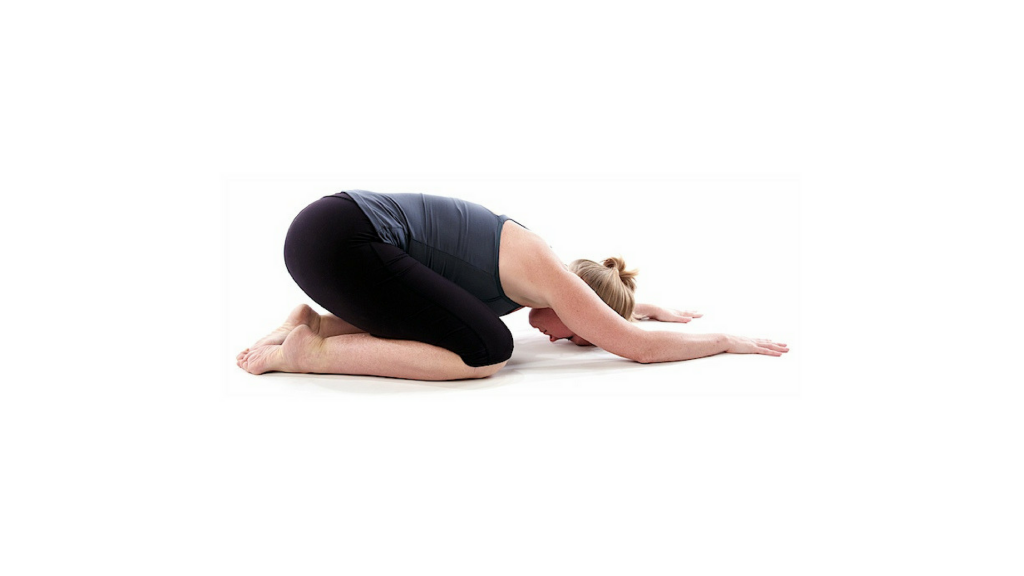
The position on all fours (shown above) is usually a good place to start. Adopt this position and relax the stomach. Think about dropping your stomach to the floor. Next, take a relaxed breath in, expanding the stomach and sides of your ribs. You should feel you stomach move into your thighs but you shouldn’t feel the shoulders lifting. Breathe out, again focus on relaxing the stomach. Repeat this breathing cycle for 3-5 minutes 3-5 times per day. Once mastered you can integrate this pattern into your daily postures and movements – sitting, driving, standing, and walking before progressing to more advanced exercises.
Are you an stomach gripper? Do you suffer with neck pain, back pain or GERD? Let us know in the comments section below.
© 2026 Dynamic Health. Powered by Oncord
Leave a Comment
I never used to grip my stomach, but I injured my back and I continue working through my pain. It's almost like my stomach muscles are in overdrive, trying to help my bad/weak back. It's caused me to think it was a digestive problem, but I have come to realize that my stomach doesn't hurt when I can get it to relax.
I'm not sure if you'll see this message. I read your comments about your symptoms, particularly the tightness/discomfort around your upper stomach. I have the same and can't be diagnosed or find help. Have you found any help/relief?
I do regular stretches and try to improve my posture to help correct the issue, but I fear I may be too far gone.
It is very painful in the ribs. I can't bend over too far because the pain is excruciating in my ribs.
My doctor just told me to take ibuprofen :(
I don't know if this issue would go away with weight loss or not, but it's not a good time.
I recently had an abdominal biopsy taken to determine if this is a form of muscle or neurological myopathy. This scenario has been affecting my life tremendously. I am not experiencing any pain however, just extreme, involuntary contractivity of my abdominal and neck musculature upon trying to maintain an erect posture. What are your thoughts, as I await the results of my biopsy? Thank you so much.
I now have neck spasms and neck tension constantly for the last 3 years.
It's only since I visited an Osteopath I realised just how bad my stomach clenching is. I know I have always done it but I actually assumed it was normal, and that most other people did the same.
It feels so hard to let my stomach release, and so unnatural.
I cannot believe this is even a thing and I'm only realising now! Thank you.
Shelly
Thank you for your advice,
regards
All the symptoms seem to correspond to the above can your GP prescribe pain relief I have taken all sorts of medication I have been treated for IBF to consterpation and still suffer pains help
This is an amazing article. I have this! And I literally have no way of describing what I've been experiencing for most of my life to my doctors. It is miserable. Unfortunately there are no DNS practitioners in my state. Do you have any other suggestions as to how to get this treated ??? Thank you so much!!!
I am happy to hear and know my problem is not my heart. I have all of the above unfortunately and it’s terrible. I am so scare , my belly is turning upside down , my back is so painful, my lunge and like someone pokeing me with a sharp object. My Ribs , under my breasts , my back , my lower back , between my 2 breast . It’s all over very painful. I was recently dynose with stomach hernia .
I wish everyone the best and hope all get better soon.
Kind regards,
Mary
Your articel was helpful. Thank you
Thanks for your article and bringing attention to this.
Either a physio or chiro who is familiar with this issue should be able to help. Feel free to book a no charge initial consultation so see what would be best for you.